Handyman

Professional Home Painting Services for a Fresh and Vibrant Living Space

A fresh coat of paint can completely transform the look and feel of a home. Whether updating interior walls, refreshing the exterior, or enhancing accent features, professional home painting services provide quality, precision, and long-lasting results. Beyond aesthetics, painting plays a crucial role in protecting surfaces from wear, moisture, and environmental damage. By hiring experienced painting professionals, homeowners ensure that every project is completed efficiently, safely, and with an impeccable finish. Click here at www.bandkenterprises615.com to get started.

painting

Understanding Home Painting Services

Home painting services encompass a wide range of tasks, including interior painting, exterior painting, surface preparation, and finishing. Skilled painters combine technical expertise, premium materials, and attention to detail to achieve a flawless outcome.

Professional painting goes beyond applying color. It involves surface preparation, repairing imperfections, choosing the right type of paint for specific surfaces, and ensuring even coverage. These steps are essential for durability and long-term satisfaction.

Common Reasons to Hire Home Painting Services

Homeowners and property managers often require painting services for various reasons:

  1. Interior Makeovers: Refreshing walls, ceilings, and trim with new colors can dramatically improve the ambiance and style of a home.
  2. Exterior Renovation: Painting the exterior enhances curb appeal, protects against weather damage, and increases property value.
  3. Repairs and Maintenance: Painting services often include repairing minor cracks, holes, or worn-out surfaces before applying new paint.
  4. Home Selling Preparation: A professionally painted home can attract buyers and make properties stand out in a competitive real estate market.
  5. Specialty Finishes: Home painting services can also include decorative finishes, textures, and accent walls for a unique look.

By addressing these needs with professional services, homeowners achieve a polished and durable finish that enhances both aesthetics and functionality.

Benefits of Hiring Professional Home Painting Services

Professional home painting services offer several advantages that go beyond simply applying paint:

Expertise and Precision

Experienced painters have the skills necessary to achieve smooth, even coverage without drips, streaks, or uneven textures. They understand color matching, proper brush and roller techniques, and advanced painting tools that ensure a flawless result.

High-Quality Materials and Tools

Professional services use premium paints, primers, and protective coatings that last longer and resist fading, peeling, or cracking. Specialized tools, such as sprayers, sanding equipment, and masking materials, enhance efficiency and precision.

Time and Cost Efficiency

Painting a home requires careful planning, preparation, and execution. Professionals complete projects efficiently while avoiding common DIY mistakes that can lead to wasted materials and additional labor costs.

Surface Protection and Longevity

Proper surface preparation, including cleaning, sanding, and priming, ensures that paint adheres correctly and lasts longer. Professional services also apply protective coatings to prevent damage from moisture, sunlight, and wear.

Enhanced Home Value and Aesthetics

A freshly painted home not only looks appealing but also adds value by improving appearance and protecting structural surfaces. Quality painting enhances both interior and exterior appeal, making homes more attractive and comfortable.

Key Home Painting Services

Professional home painting services cover a wide range of applications, including interiors, exteriors, and specialty projects. Some of the most common services include:

1. Interior Painting

Interior painting transforms living spaces by applying color and finishes to walls, ceilings, trim, and other surfaces. Services include:

  • Surface Preparation: Cleaning, sanding, and patching holes or cracks to ensure smooth results
  • Priming: Applying primer to improve paint adhesion and durability
  • Painting: Using high-quality paints for walls, ceilings, doors, and trim
  • Finishing Touches: Ensuring clean edges, even coverage, and a professional appearance

Interior painting allows homeowners to update color schemes, enhance room ambiance, and reflect personal style.

2. Exterior Painting

Exterior painting protects homes from the elements while improving curb appeal. Services typically include:

  • Surface Cleaning and Preparation: Removing dirt, mildew, and old peeling paint
  • Repairs: Addressing damaged siding, trim, or other exterior surfaces
  • Priming and Painting: Applying weather-resistant paints that withstand sun, rain, and temperature fluctuations
  • Detailing: Ensuring clean lines around windows, doors, and architectural features

Exterior painting not only enhances visual appeal but also prevents moisture damage, decay, and weather-related deterioration.

3. Specialty and Decorative Finishes

Professional painters offer a variety of decorative techniques to add character and style to a home. These can include:

  • Accent walls to highlight specific areas or architectural features
  • Faux finishes, such as marble, wood grain, or metallic effects
  • Textured or patterned surfaces for added depth and visual interest

Specialty finishes allow homeowners to create a unique, personalized environment that reflects their design preferences.

4. Color Consultation and Customization

Choosing the right color is crucial for creating the desired mood and style. Many professional painting services offer consultation to help clients select colors that complement their décor, lighting, and overall aesthetic. This ensures that the finished result aligns with the homeowner’s vision.

5. Maintenance and Touch-Ups

Over time, painted surfaces can experience wear or minor damage. Home painting services also include:

  • Spot repairs for scratches, dents, or scuffs
  • Touch-ups to maintain a consistent appearance
  • Repainting high-traffic areas to extend the life of existing paint

Regular maintenance keeps interiors and exteriors looking fresh while protecting the underlying surfaces.

Preventive Painting Maintenance

Regular maintenance can prolong the life of painted surfaces and prevent costly repairs. Key preventive steps include:

  1. Cleaning Surfaces: Remove dust, dirt, and stains regularly to prevent damage and maintain color vibrancy.
  2. Inspecting for Damage: Check for cracks, peeling, or water stains that may indicate underlying issues.
  3. Touch-Ups: Address minor imperfections promptly to prevent larger problems.
  4. Protective Coatings: Apply sealants or finishes to protect exterior walls from moisture, UV rays, and other environmental factors.

By implementing preventive measures, homeowners maintain a polished, professional appearance and extend the lifespan of their paintwork.

Choosing the Right Home Painting Service

Selecting a reliable home painting provider is essential for achieving high-quality results. Consider the following factors:

  • Experience and Expertise: Look for professionals with a proven track record in residential painting projects.
  • Licensing and Insurance: Verify credentials to protect yourself from liability and ensure compliance with local regulations.
  • Reputation and Reviews: Research customer testimonials and past projects to confirm quality and reliability.
  • Transparent Pricing: Choose providers that offer clear estimates covering labor, materials, and additional costs.
  • Project Management: Ensure the team communicates effectively, adheres to schedules, and minimizes disruptions during the painting process.

The Importance of Professional Home Painting

Professional home painting services go beyond aesthetics—they enhance the safety, durability, and overall value of a property. Proper preparation, high-quality materials, and expert application prevent peeling, cracking, and fading, ensuring that painted surfaces remain vibrant and protected for years.

In addition, professional painting provides peace of mind. Homeowners can trust that their property is in skilled hands, minimizing the risk of costly mistakes or damage. The result is a polished, attractive home that reflects personal style and maintains long-term durability.

Conclusion

Home painting services are essential for maintaining and enhancing the beauty, comfort, and value of a property. From interior walls to exterior siding, trim, and specialty finishes, professional painters provide comprehensive solutions that combine skill, quality materials, and attention to detail.

Whether refreshing living spaces, preparing a home for sale, or adding decorative touches, professional painting services deliver precise, long-lasting results. The benefits include:

  • Smooth, flawless finishes that enhance visual appeal
  • Protection from moisture, wear, and environmental damage
  • Durable, high-quality surfaces that last for years
  • Customized colors and decorative finishes that reflect personal style
  • Efficient, safe, and professional service that saves time and effort

Investing in professional home painting services is an investment in your property’s longevity, beauty, and value. By hiring skilled experts, homeowners ensure that every room, wall, and surface receives the care and attention it deserves. A freshly painted home not only looks vibrant and inviting but also provides a protected, comfortable living environment for years to come.
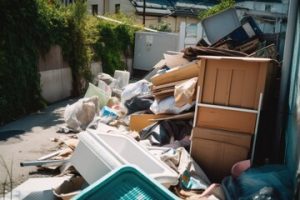
Junk Removal Services

Silent Transformations: The New Face of Rubbish Removal and Demolition

Paul’s Rubbish Removal and Demolition are quietly entering a new era of innovation. These fields were once seen as purely destructive. Now they are reshaping themselves into creative and strategic practices. Their work is starting to symbolize renewal instead of ruin.

Rubbish Removal

Many teams are using selective dismantling instead of total teardown. They remove structures piece by piece to preserve valuable components. This approach reduces waste and speeds up material recovery. It also allows adaptive reuse in future projects.

There is a growing interest in robotic demolition methods. Compact machines are taking over dangerous tasks in confined spaces. They can cut, crush, and sort materials with precision. This keeps workers safer while improving accuracy.

Rubbish removal specialists are embracing smart tracking systems. Every item they collect is logged in real time. This data helps map where materials go and how they are reused. It creates transparency that builds trust with clients.

Some are designing on-site sorting hubs to reduce transport needs. These hubs separate materials as soon as they are removed. It prevents cross-contamination and preserves quality. This method also lowers emissions from repeated hauling.

Noise control is becoming a high priority during demolition. Teams now use vibration-dampening tools and sound-absorbing curtains. This minimizes disturbance to surrounding areas. It makes urban projects more acceptable to nearby communities.

Contractors are experimenting with dust-neutralizing fog systems. These systems release a fine mist that captures airborne particles. It keeps the air cleaner during heavy dismantling. It also reduces health risks for workers.

Rubbish removal services are integrating with digital marketplaces. They resell salvaged materials through real-time online platforms. This reduces storage costs and speeds up circulation. It transforms waste into instant resources.

Many are adopting dismantle-to-redesign strategies. Instead of treating old structures as trash, they see them as raw material banks. Each removed element is cataloged for future use. It gives demolition a creative dimension.

Energy recovery from demolition debris is gaining momentum. Some facilities convert wood and plastics into biofuel on-site. This turns waste into immediate power sources. It also offsets the energy used during dismantling.

Artificial intelligence is starting to guide material separation. Smart sensors can identify composition and quality instantly. This speeds up sorting and reduces human error. It boosts recycling efficiency to new levels.

Demolition teams are now collaborating with environmental planners. They coordinate projects based on ecosystem sensitivity. This ensures that local wildlife and soil remain undisturbed. It adds a layer of responsibility to their work.

There is also a shift toward reversible construction for future demolition. New structures are built to be taken apart easily later. This approach lowers the cost and waste of eventual removal. It creates a circular flow of building materials.

Specialists are using thermal imaging to detect hidden hazards. These scans locate wiring, gas lines, or chemical residues. It prevents accidents during structural removal. It also protects the health of workers on-site.

Rubbish removal experts are developing modular waste containers. These containers expand or shrink based on volume. They prevent overflow during large cleanups. It keeps work areas safer and more organized.

Water recycling during demolition is becoming more common. Teams collect and filter water used for dust suppression. They reuse it throughout the project. It conserves resources without sacrificing cleanliness.

Some are exploring biodegradable packaging for removed waste. This eliminates plastic wrapping in transport. The packaging breaks down naturally after disposal. It reduces long-term pollution from cleanup operations.

Demolition projects are starting to use kinetic energy floors. These temporary floors generate electricity from footsteps and machinery. They power tools during the process itself. It lowers the reliance on external energy sources.

Rubbish removal services are adopting real-time weight sensors on vehicles. These sensors track load levels during collection. It optimizes route planning and fuel use. It cuts down emissions from unnecessary trips.

Teams are creating pop-up recycling labs at demolition sites. These labs analyze material quality on the spot. It helps decide which items can be reused immediately. It speeds up the entire recovery cycle.

There is a growing demand for demolition methods that preserve soil layers. Contractors carefully lift foundations instead of breaking them. This keeps the natural ground intact for future planting. It supports sustainable redevelopment.

Some companies are experimenting with silent implosion techniques. They use chemical expansion instead of explosives. This brings down structures quietly without shockwaves. It is ideal for delicate or crowded environments.

Rubbish removal professionals are also engaging in community art collaborations. They supply salvaged materials for public installations. It turns debris into cultural value. It shifts public perception from waste to creativity.

Advanced filtration is being used to capture micro-particles from debris. These systems prevent tiny fragments from entering waterways. It protects local ecosystems after cleanup. It reflects a deeper environmental commitment.

Machine learning tools are being trained to forecast debris volume. They predict how much waste will be produced before removal begins. This allows teams to plan resources accurately. It avoids costly over-preparation or shortages.

Teams are developing foldable demolition scaffolds for faster setup. These structures collapse flat for easy transport. They reduce setup time and site congestion. It makes short-term projects more efficient.

Rubbish removal fleets are experimenting with hybrid power systems. Electric-drive units handle local pickups while diesel handles long hauls. This cuts fuel use without limiting range. It smooths the transition to greener fleets.

New demolition drones are entering service for aerial deconstruction. They cut high sections of structures that are hard to reach. This reduces the need for risky climbing work. It enhances safety and precision at height.

Some are embedding smart tags on salvaged materials. The tags carry digital records of each item’s history and composition. It helps future builders verify quality instantly. It creates trust in reused materials.

Contractors are now prioritizing mental wellness on-site. Noise, dust, and instability often cause stress for crews. Mindfulness breaks and quiet zones are being introduced. It keeps workers focused and healthy.

A new trend is predictive scheduling based on weather patterns. Teams align demolition stages with wind, rain, or heat forecasts. It prevents delays caused by sudden climate shifts. It also protects equipment from damage.

There is innovation in odor-neutralizing technology during rubbish removal. Enzyme-based sprays break down foul smells at the source. It improves working conditions and neighborhood relations. It makes cleanup less disruptive.

Some are experimenting with modular crushing units for concrete. These units can be moved between projects easily. They recycle concrete into gravel on-site. It reduces transport costs and emissions.

Demolition planning software now includes virtual hazard simulations. Teams walk through potential accidents in digital form. It improves safety training before real work begins. It reduces actual site incidents.

Rubbish removal experts are collaborating with material scientists on new composites. They aim to create panels from blended debris. These panels can become new building elements. It closes the loop between demolition and construction.

Projects are starting to use glow markers to guide night operations. These non-electric strips outline danger zones silently. It improves visibility without extra power use. It keeps workers safe after dark.

There is also rising interest in emotional design for post-demolition landscapes. Teams consider how cleared spaces will feel to communities. They leave contours or mounds that echo the old structure. It eases the psychological shift after removal.

Some are adopting automated clean sweep systems. These machines glide through sites after demolition to collect small fragments. They finish the job faster than manual crews. It ensures nothing hazardous is left behind.

Even contract models are changing to reflect sustainability goals. Payments are linked to how much material is reused. This encourages teams to reduce waste actively. It aligns financial reward with environmental impact.

Many demolition teams are learning about urban ecology before starting work. They map local insect and plant patterns on-site. This helps them avoid damaging delicate microhabitats. It adds a new dimension to responsible practice.

Rubbish removal services are piloting shared container hubs for neighborhoods. Multiple users deposit waste into the same smart bin. Sensors track contributions for fair billing. It reduces the number of trucks on the road.

Finally, the culture around demolition is beginning to celebrate transformation. It is no longer seen as an act of destruction alone. It is becoming a delicate transition between past and future. Rubbish removal stands at the center of this quiet evolution.