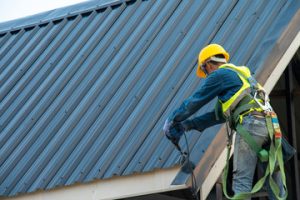
Roof damage can affect the interior of a home, creating mold and mildew and raising heating and cooling costs. Regular inspections and timely repair of minor problems can keep these issues from becoming severe and costly.
Check for sagging or cracking shingles, and water stains in the attic and ceiling. If you find leaks, a qualified roofing contractor should be called in for a thorough inspection and consultation. Keep reading the article below to learn more about Roof Repair.
Whether to repair or replace your roof can be difficult to decide. It is important to understand the costs involved in both options, and how they relate to your home’s age, condition, and location. The cost of a roof replacement is typically more expensive upfront than repairs, but may be more cost-effective in the long run.
A major factor in the cost of roof repair is the material used. Asphalt shingles are the most common and affordable roofing material, while metal or tile roofs are more expensive. The type and size of your roof also influence the cost. For example, a larger roof will require more materials and take longer to install than a smaller one.
The cost of roof repair varies depending on the extent of damage and the complexity of work required. Minor repairs may include replacing a few missing or damaged shingles, fixing a leak, or securing loose gutters and fascia. Moderate repairs might involve locating and fixing recurring leaks or replacing damaged sections of flashing around chimneys, vents, skylights, and other features. Larger repairs might include addressing sagging roof deck or structural damage and repairing the associated water damage.
Other elements that affect the cost of roof repairs include local building codes, the ability to access the roof safely and quickly, and the availability of qualified roofers in your area. Using a roofing contractor with extensive experience can reduce the cost of repairs by making sure the work is done correctly. It can also reduce the chance of future problems, including additional damage to your roof or interior walls.
A reputable roofing company will provide you with a detailed contract for the repair work, including costs, potential changes, and payment details. Be sure to read the contract carefully and ask questions if anything is unclear. You should also make sure that the contractor is insured and bonded to perform the repairs. A verbal agreement or handshake is not enough – get it in writing to protect yourself. Also, remember that the high-demand season for roof repair lasts from late spring to early fall, so you should book repairs well in advance to secure reasonable rates and a qualified contractor.
Durability
The roof is one of the most important parts of your home. It protects you and your family from the elements, increases the value of your home, and helps reduce energy costs. It’s vital to keep your roof in good condition by repairing damage as it occurs, and replacing your roof when necessary.
The level of damage to your roof plays a significant role in the decision to repair or replace it. Small, localized issues, like a leak in one section of the roof or a few missing shingles, can often be addressed with repairs. These fixes are usually cheaper, less labor-intensive, and require minimal disruption to your daily routine. However, extensive damage or widespread leaks are better handled with replacement. This will prevent further damage to your home and reduce the risk of mold growth and other issues.
It’s also essential to consider the longevity of your roof when deciding whether to repair or replace it. Many roofing materials have an expected lifespan, and if your roof has reached this point, it may be more cost-effective to replace it. In addition, repeated repairs can end up costing more than a full replacement would.
Lastly, you should consider your future plans for your home. If you’re planning to sell it soon, a new roof can boost the value of your home and make it more appealing to potential buyers. Additionally, a new roof can be more energy-efficient, which can help save on heating and cooling costs.
A professional contractor will be able to provide a thorough inspection and expert advice. They can explain the pros and cons of each option, and can help you determine which is best for your situation. With their knowledge and expertise, they can help you make an informed choice that will maximize the durability of your roof. Additionally, a professional will be able to guarantee their work and offer a warranty. This will give you peace of mind knowing that your roof is in good hands.
Insurance
Depending on the type of damage and the specifics of your policy, you may be able to file an insurance claim to cover roof repair or replacement costs. The best way to determine which types of damage are covered is to read your homeowner’s policy carefully and ask your insurer for clarification. Some common types of coverage include:
Environmental or Weather-Related Damage
The majority of home insurance policies will provide coverage for any damage that is a result of an accident or natural disaster. This includes storm damage like dents or dings, and even blown off shingles. In some cases, your roof may need to be completely replaced after a major event. Other common causes of roof damage include fire, smoke, or falling objects.
Most homeowners insurance policies will also provide coverage for other structures in your home, such as sheds or garages. This is called “other structures protection” or “personal property coverage”. These policies typically include protection against perils like fire, wind, hail, and debris.
Fire Damage
If you experience roof damage as a result of a fire, most insurance providers will pay for repairs or replacement. They will usually pay for the Actual Cash Value of your damaged roof minus your deductible, and they will often pay an additional amount that is known as recoverable depreciation.
Leaking Roofs
A leaky roof can cause mold and mildew growth that not only damages your home but can also cause health issues for you and your family. Fortunately, most insurance companies will cover leaky roof repairs if the cause is due to covered perils.
The best thing to do is to contact your insurance company as soon as you notice a leak in your roof. They will send an adjuster to examine the damage and determine the value of your claim. If you have any estimates from contractors for the work needed, make sure to submit them to your insurance provider along with the documentation of the damage.
While filing an insurance claim can increase your premiums, it is important to consider the options available to you. If you have a reliable roofing contractor, he or she can help you understand your policy and guide you through the process. It’s also a good idea to ask your agent about any special discounts for high-quality materials or insurance endorsements that can further reduce your premiums.